Dear Reader:

“The world we have created
is a product of our thinking;
it cannot be changed without
changing our thinking
.”
— Albert Einstein

Wednesday, January 19, 2011

Roaming the river valley

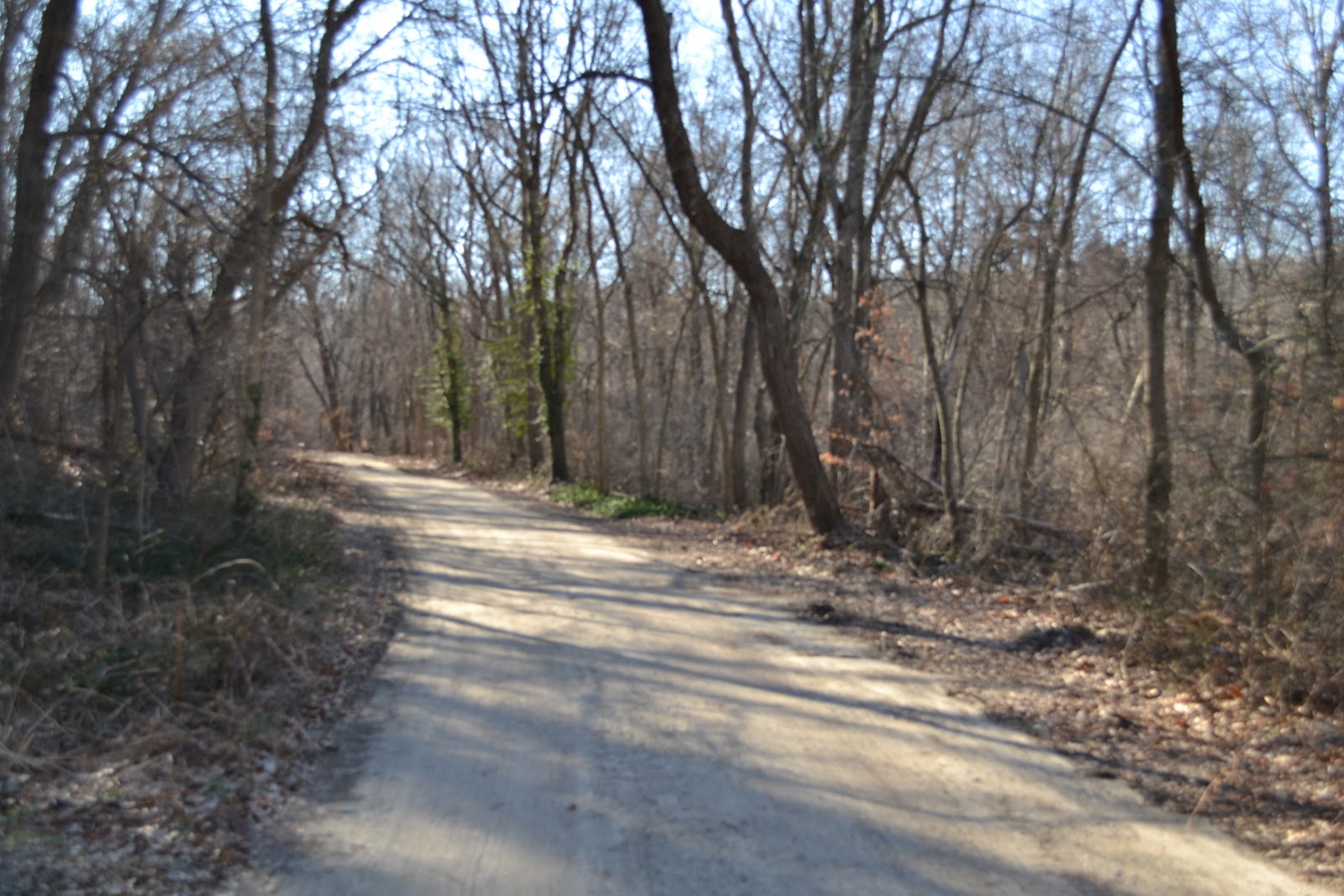
Spring floods have left behind several artifacts of human activity in the woods that fringe the Sudbury river. I have encountered a rusting auto engine, a tattered trash can now embedded in bullbriars, and the occasional broken bucket or plastic toy. These leavings are so weathered they have one foot in the natural world. 

At one time, the hubris of the human race brought about an excited plan to build a community right along the river's edge. To that end, Shore Drive was surveyed, lots were sold, and foundations laid. The river put a forceful end to that scheme. Now those foundations are as weathered as the other artifacts, remnants of vacation dreams.

There are also signs of beaver life. Around one of the decaying house foundations I found several felled trees, ranging in size from sapling to substantial. The tree pictured above is about six inches in diameter. The large tooth marks indicate enviably strong choppers.  The intention to build a substantial lodge or dam is clear. But where is it? Where are the furry citizens who planned to live there? Have they vanished in the same way as the human settlement, vanquished by the flood? Or did the humans, unable to sustain their own development, destroy the beavers' new home, causing the beavers to move away? I'd like to think instead that the beavers who took down these trees were scouts in a logging party out looking for lumber to swim back down the river to a beaver community deeper in the wetland.

Following are three more views of the Sudbury river flood plain after this winter's first, light snow.


Photos by Roy Barnacle.

Saturday, January 8, 2011

Come live in Wayland

This sweet house is waiting for its new family.
It's a great place for a couple to start out.
A great place to raise a family -- or not. 
A great place to retire.
Come and see.

Quiet, safe living, just 10 minutes from major
shopping areas, 25 minutes from Boston.
Enter from the driveway, up the red brick walkway.
Lots of perennial beds, a variety of trees and shrubs.


Sudbury River flows nearby.
Looking west from #84 --
gravel section of the Circle.
Great Meadows National
Wildlife Refuge is directly
across the street.
Looking east from #84 --
paved suburban street.
Friendly neighborhood.

Deck is a bird mecca and a long-season Shangri-la for the family.
Sunny, convenient kitchen.
Master bedroom.
Notice ceiling fans throughout.

Bathroom off hall. Public water
supply; private, state-of-the-art
septic system.

Note the refinished hardwood
floors throughout.

Front door and stairwell.


Living room with fireplace.


From the west. House has high quality, new windows.


Old Grist Mill, one of many historic sites nearby.
See MLS# at top of posting.

Wednesday, January 5, 2011

Life as it should be


Here is a panorama video of the view off the deck of my house that is for sale, 179 Friendship St., Waldoboro, Maine. 

In case you can't play videos, here are some still shots:

#179 Friendship St. barn and house are on the far right.
Medomak river valley --
view from kitchen, dining room, deck,
two bedrooms, and attic!


Dining room end of the kitchen.
In the winter, I put an easy chair
before that stove.
Sun room, southern exposure.


Finishing touch to repainting.
The neighborhood.
Russian iris in the rock garden.
Deck living.
Back yard and view in winter.
A "soft morning" along the Maine coast.
Midcoast Maine is a great place to live:  mild, 4-season climate; lots of educational and cultural activities.  You can catch the bus to Boston right in town, but you also can disappear into the country.

See MLS# at top of posting.


Tuesday, January 4, 2011

On Being from Maine

In my case, being from Maine includes:
 . . . Having relatives who fish. Here are sister-in-law Elaine and her great-nephew James, at a family swimming hole on the St. George river.

 . . . Loving natural events, like golden late afternoon sun penetrating fog along the Medomak river.

 . . . Developing an eye for the night sky, still visible in much of its complexity from much of Maine.

 . . . NOT going south in mud season.

Ditto.

 . . . Cooking outside, in a stone fire ring. The hot dog and marshmallow chef here is my friend Amelia.

 . . . Appreciating FREE STUFF (in this case, giving extras away).

 . . . Being a life-long water sprite. In this case, listening to the lapping of wavelets on Damariscotta lake.

 . . . Attending hometown events, this one the parade opening Waldoboro Day 2010. Waldoboro was "Home of the 5-masted Schooner" -- a short-lived, 19th C technological wonder.

 . . . Living outdoors as weather and bugs may allow.

 . . . Taking grandchildren to beauty spots. Here is Gavin at "Fairy River's Edge."

 . . . Having an attic -- in my case, two! This one being the barn attic, nearly cleared of cultch.

Monday, December 27, 2010

Knox connections, Wayland and Waldoboro

A small monument to a monumental deed.
 Roy Barnacle photo.

This small, neglected marker, just steps from my current home, reads: "Knox Trail, Fort Ticonderoga, N. Y., to Cambridge, Mass." The tattered and faded flag, the broken light fixture, and the continually over-filled trash can pay scant tribute to the bravery and exertion this marker commemorates.  On an earlier blog, I explained the strategic advantage General Knox won for the American revolutionaries by bringing his caravan of cannon to the battlefront via this one, unguarded bridge. (See map at http://www.wayland.ma.us/Pages/WaylandMA_Veteran/mapvets.pdf) There are other memorials to Knox in this area.

It interested me to realize, on a recent trip to check up on the Waldoboro property, that our two homes are tied via American history.

In Thomaston, Maine, just a few minutes' drive from my former home in Waldoboro, stands the Knox mansion, Montpelier. Although built on land inherited by his wife, the house represents General Knox's reward for service to the new country. The current structure is a 20th century duplicate of the original.

To quote the museum's web site:
In 1795, newly retired, Knox bade farewell to Philadelphia and moved his family to the newly built Montpelier in Thomaston, Maine, to dedicate his "all to the development of the District of Maine." There he had a hand in many of the emerging businesses in midcoast Maine: He shipped timber, quarried lime, made bricks, experimented with agriculture, built a lock and canal system, built many roads, and got involved with land speculation. The elegant house he built at the head of the St. Georges River epitomized the dreams of the young republic. It compared favorably with George Washington's Mount Vernon and Jefferson's Monticello, and Knox made it the center of many enterprises in midcoast Maine, employing many citizens. 
(See http://www.generalknoxmuseum.org/montpelier.html for more details.) 
For a reality check, here is Roy's picture of Montpelier-in-Maine:
Montpelier in context -- Dragon Cement plant in background.